

Toolkit
Understanding
Brain Cancer
Understanding brain tumours
A brain tumour happens when abnormal cells grow in or around the brain.
Brain tumours are often grouped into:
Benign tumours
Usually slower growing.
Malignant tumours
Cancerous and can grow more quickly.
You might also hear names such as glioblastoma, astrocytoma or meningioma. These are different types of brain tumours.
Every person’s experience is different. Your medical team will explain your diagnosis and what it means for you.
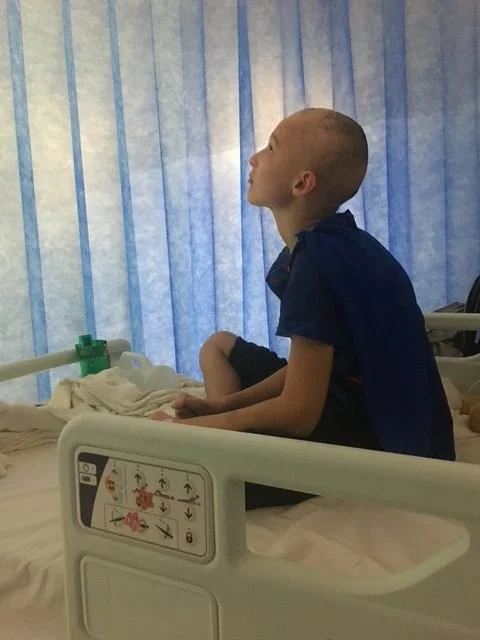
It’s okay if you don’t understand everything right now
A brain tumour diagnosis can feel overwhelming, confusing and frightening.
You might be trying to make sense of new words, new information and what it all means for you or someone you love.
Please know you are not alone in this. Most people don’t take everything in during those first conversations. Take things one step at a time and keep talking with your medical team about anything you don’t understand.
How you may be feeling
You may experience:
Shock or disbelief
Confusion about medical terms
Fear of the unknown
Feeling overwhelmed with information
Many of the people we support tell us they felt the same at the beginning.
Understanding brain tumour grades
Grades of a brain tumour differ depending on the type of tumour. Generally:
Grade 1
► Usually slow growing and often benign.
Grade 2
► Cells can look abnormal and may slowly infiltrate nearby brain tissue. This can progress over time to a higher grade.
Grade 3
► Cells look more abnormal, grow faster and are malignant.
Grade 4
► Cells look very abnormal and grow and spread rapidly.
Your medical team can help you understand the grade of your tumour and what it means for you.
Some types of brain tumours
There are many different types of brain tumours. We have covered a few here.
Glioblastoma
The most aggressive and common type of malignant brain tumour in adults
Invades surrounding brain tissue
Astrocytoma — Grades 2–4
Depending on the grade, Grades 2–3 can be slower growing and less aggressive than Grade 4
Oligodendroglioma — Grades 2–3
More rare and can generally be treatable
Symptoms depend on tumour location and growth
Medulloblastoma — Grade 4
Fast-growing malignant brain tumour, usually in the cerebellum
More common in children but can occur in adults
Ependymoma — Grades 1–3
More rare
Can occur anywhere in the central nervous system or brain ventricles
Further information about brain tumours
If you’re looking for more detailed medical information, these trusted resources can help:
► Types of Brain Cancer — Cure Brain Cancer Foundation
► Various Types of Tumours — Brain Tumour Alliance Australia
How Peace of Mind Foundation can help
You don’t have to navigate this on your own.
We are here to support you and your family with:
Someone to talk to who understands
Emotional support during difficult moments
Practical help when things feel overwhelming
Support for carers and loved ones